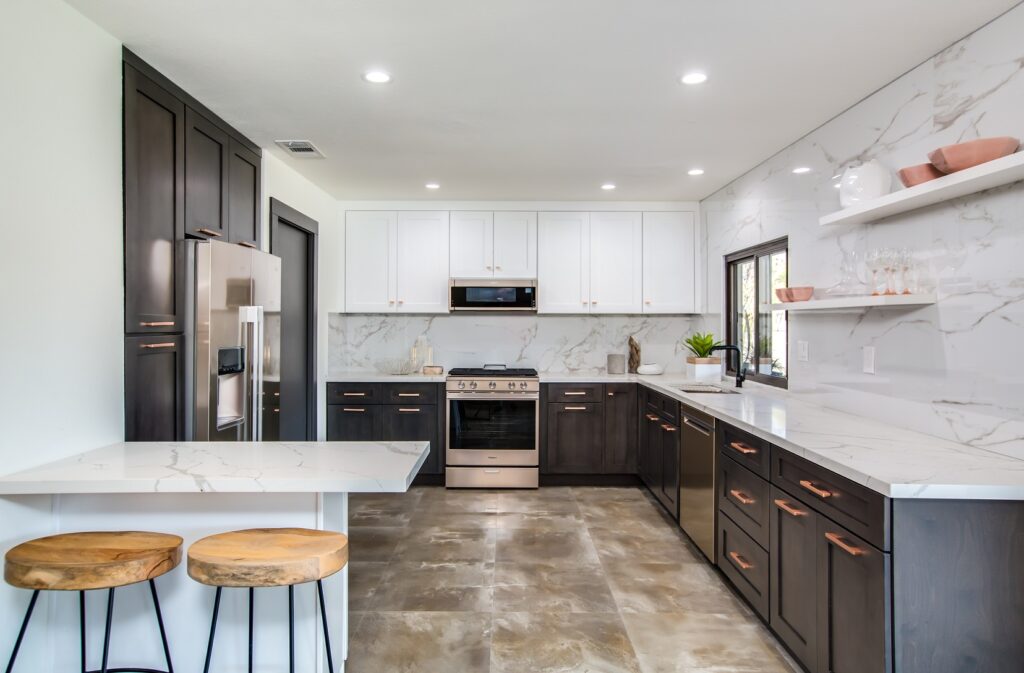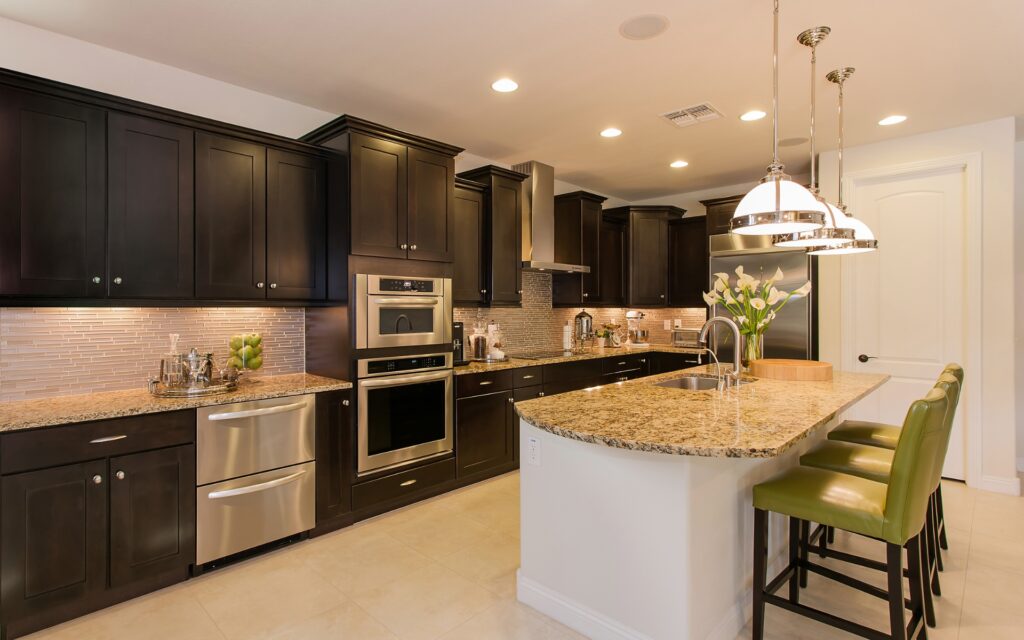


When it comes to renovating your kitchen, few decisions carry as much weight as your countertop choice. In fact, the debate between granite versus solid surface has homeowners weighing natural beauty against modern convenience every day. Both materials have earned their place in countless kitchens across the country, but they couldn’t be more different in how they’re made, how they perform, and what they bring to your space.
Before committing to either option, it helps to talk with a kitchen remodeling company that’s worked with both materials extensively. They can show you real-world examples, explain the trade-offs you’ll face, and help you think through questions you might not have considered yet. This guide examines the key characteristics of these two popular materials to help you determine which suits your kitchen best.
What Makes Granite Different from Solid Surface?
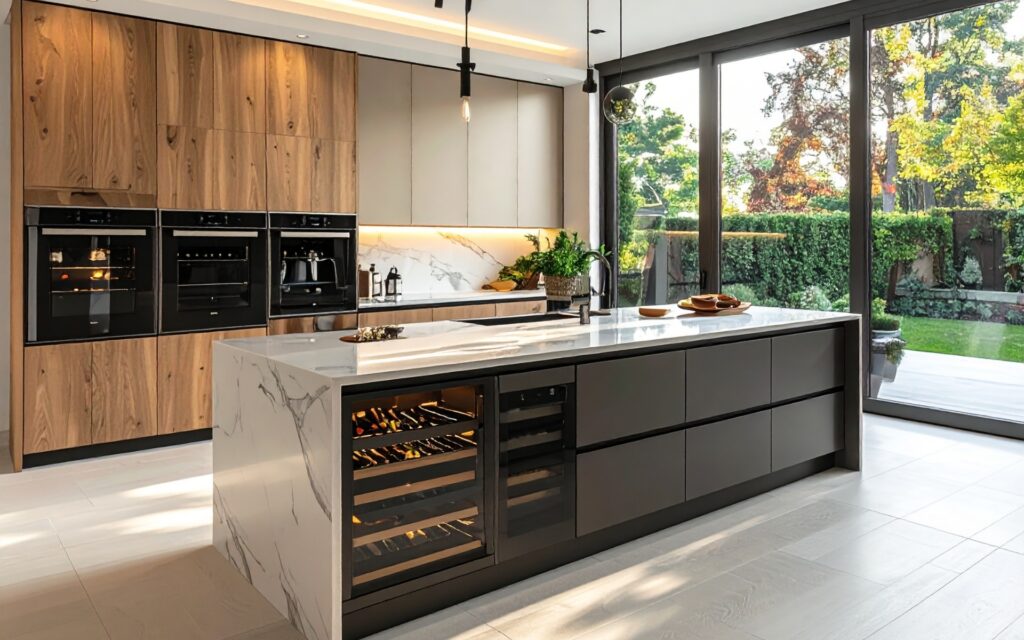
Granite kitchen countertops originate from natural stone quarried from deposits worldwide. Each slab displays unique patterns formed over millions of years, ensuring no two installations look identical. In fact, this natural variation appeals to homeowners seeking distinctive character in their spaces.
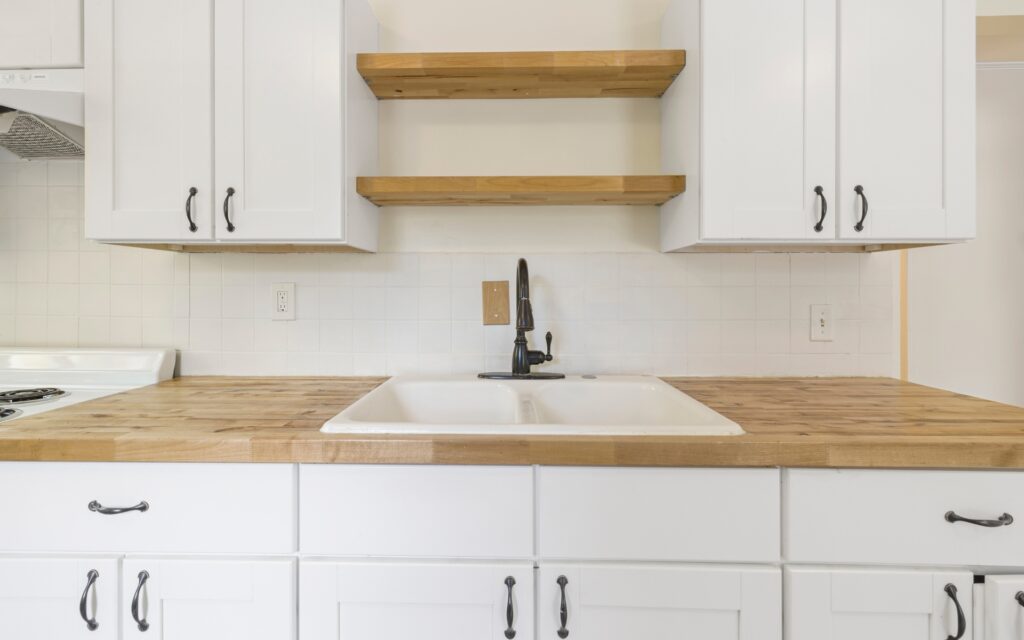
Solid surface materials represent engineered solutions created by blending acrylic polymers with natural minerals. Brands like Corian pioneered this category, producing non-porous surfaces with consistent coloring and patterns throughout the material.
Here’s the key distinction: granite brings natural authenticity with inherent uniqueness, while solid surface offers manufactured consistency designed for specific performance characteristics.
Durability and Performance Compared
Heat Resistance
Granite demonstrates superior heat tolerance compared to solid surface alternatives. Hot cookware can be placed directly on granite without causing damage. According to Houzz, the stone withstands temperatures up to 1,200°F.
Solid surface countertops require more caution around heat sources. Direct contact with hot pans can leave scorch marks or cause warping. As a result, trivets and hot pads become essential accessories with these materials.
Scratch and Impact Resistance
Hardness ratings favor granite when considering scratch resistance. Sharp objects rarely damage properly maintained granite surfaces. Even so, cutting boards remain recommended to protect both countertops and knife edges.
Solid surfaces scratch more readily under daily use. On the bright side, these materials offer a unique advantage: minor scratches can be sanded out and refinished, restoring the original appearance. Unfortunately, granite lacks this repair capability.
Stain Resistance
In terms of stain resistance, non-porous solid surfaces excel. Liquids cannot penetrate the material, making cleanup straightforward regardless of what spills on the surface.
Granite requires periodic sealing to maintain stain resistance. When properly sealed, it handles most spills effectively. That said, acidic substances like citrus juice or vinegar can etch the surface if left unattended. Annual or bi-annual resealing maintains optimal protection.
Installation and Cost Considerations
Granite Versus Solid Surface Kitchen Countertops Price Range
Granite pricing varies considerably based on color, rarity, and thickness. Costs typically range from $40 to $200 per square foot. Notably, exotic varieties command premium prices due to their distinctive appearance.
Solid surface materials generally cost between $50 and $120 per square foot. In most cases, manufacturing controls create more predictable pricing compared to natural stone options.
According to Angi, total project costs, including materials and labor, range between $2,000 and $4,500 for standard kitchens. Of course, final expenses depend on layout complexity and regional labor rates.
Installation Process
Granite installation requires specialized expertise due to the material’s weight and brittleness. An expert countertop installer templates the space, fabricates the stone at an off-site facility, and secures it in place. Typically, projects span 2-3 weeks from selection to completion.
Solid surface installation proceeds more quickly. The material arrives in manageable sections that installers can work with more easily. In addition, seams join with color-matched adhesives that create nearly invisible connections when properly executed.
Design Flexibility and Aesthetics
Color and Pattern Options
Granite offers natural variations spanning numerous colors and patterns. From classic black with metallic flecks to dramatic blues and earth tones, natural stone provides an impressive variety. Keep in mind, samples at a countertop store help visualize options, though actual slabs may vary from display pieces.
Solid surfaces provide hundreds of colors in consistent, predictable patterns. Notably, this consistency benefits homeowners seeking precise color coordination with other kitchen elements like backsplashes or cabinetry.
Edge Profiles and Shapes
Both materials accommodate various edge profiles. However, solid surfaces offer greater design flexibility. The material can be thermoformed into curves, integrated with sinks, and shaped into custom configurations.
Granite edges typically feature profiles like bullnose, ogee, or beveled cuts. In contrast, the stone’s hardness limits the intricacy achievable in edge detailing compared to more malleable materials.
Granite Versus Solid Surface Countertops Maintenance
Daily Care
Solid surfaces require minimal maintenance. Soap and water handle routine cleaning. In most cases, stubborn marks respond to gentle abrasive cleaners without special products.
Granite benefits from pH-neutral cleaning products that preserve the sealer. Unfortunately, harsh chemicals or acidic cleaners can compromise the protective barrier and damage the stone over time.
Long-Term Upkeep
Resealing granite takes approximately 30 minutes once or twice annually. The process involves applying sealer, allowing it to penetrate, then removing excess. To be clear, regular sealing remains essential for maintaining stain resistance.
Solid surfaces may require professional refinishing every 10-15 years to address deeper scratches or restore original luster. Beyond this occasional service, they demand minimal upkeep.
Environmental Impact
Granite quarrying involves environmental considerations. Extracting and transporting heavy stone requires substantial energy. On the other hand, the material’s longevity and recyclability offset some environmental costs.
Solid surface production utilizes petroleum-based materials. Fortunately, manufacturers have improved processes to reduce waste and energy consumption. Additionally, lighter weight translates to reduced transportation emissions compared to natural stone.
Which Granite Versus Solid Surface Kitchen Countertops Option Wins for Longevity?
In terms of longevity, granite edges ahead. Properly maintained granite countertops can last 50 years or more, remaining virtually indestructible under normal residential use conditions, making them the best for lifespan.
Solid surfaces also deliver impressive service life, typically lasting 20-30 years. Better yet, the ability to repair surface damage through sanding and refinishing extends their functional lifespan considerably.
Finding the Best Surface for a Kitchen Countertop
Both granite and solid surface materials earned their popularity through distinct strengths. Granite provides timeless beauty, exceptional durability, and superior heat resistance. On the other hand, solid surfaces offer uniform appearance, simplified maintenance, and valuable repair capabilities.
Visiting a countertop shop allows hands-on evaluation of samples and direct consultation about specific requirements. In fact, examining materials under different lighting conditions and discussing installation details helps inform final decisions about kitchen countertops.
Ready to move forward with a modern kitchen remodel? CabinetLand brings extensive experience guiding homeowners through countertop selection and installation. Our team provides comprehensive consultations, answers technical questions, and delivers professional installation that protects your investment for years to come. Contact us today for a FREE consultation and start planning the kitchen upgrade you’ve been considering.