

You’ve probably stood in a showroom staring at stone samples, wondering which one actually makes sense for your bathroom. Marble vs soapstone both look stunning in photos, both cost a significant amount, and both promise to transform your space. But here’s the thing. They’re completely different materials with distinct personalities. One demands attention and a bit of pampering, while the other quietly handles whatever you throw at it.
Here’s what most people don’t realize until they’re halfway through a bathroom remodeling project. Your countertop choice affects more than just aesthetics. It shapes your daily routine, determines how much time you’ll spend maintaining the space, and influences whether you’ll still love the look five years down the road. Let’s break down exactly what each stone brings to your bathroom so you can make a decision that fits how you actually live.
What Makes Marble vs Soapstone for Bathroom Vanity Tops Different?
Think of marble as the showstopper. It’s been gracing elegant homes for centuries with its dramatic veining and luminous surface. Soapstone, on the other hand, takes a quieter approach with its smooth, matte finish and subtle character. Each stone has earned its reputation through different strengths, and knowing these distinctions shapes your entire bathroom remodeling experience.
The Visual Appeal Factor
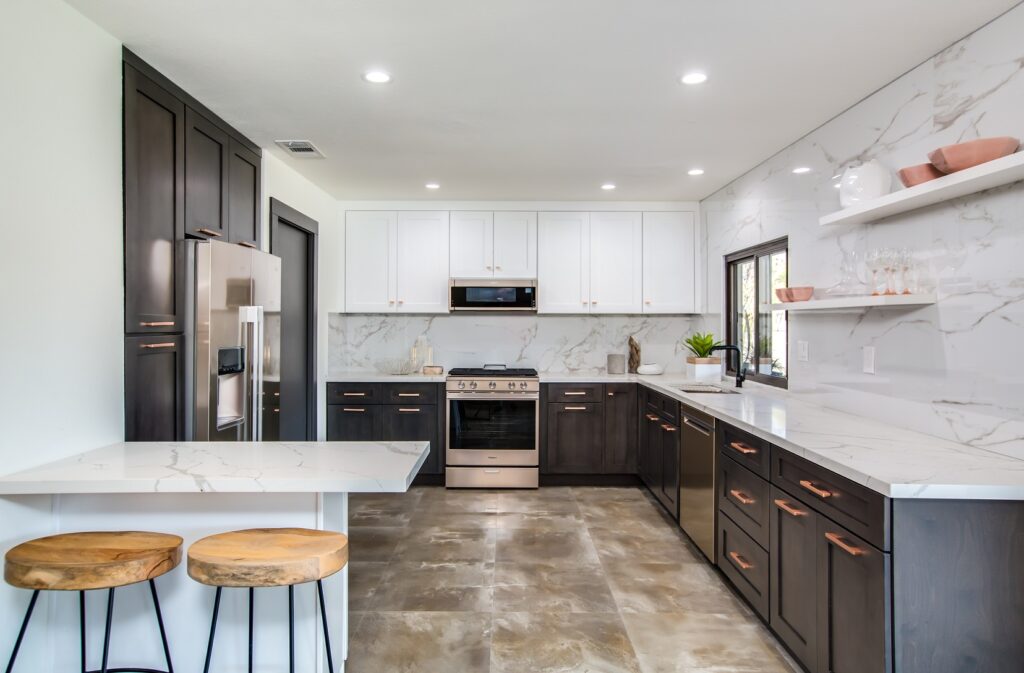
Marble countertops deliver that wow factor right when you walk into a room. White Carrara, Calacatta, and Statuario varieties feature those iconic gray or gold veins that photograph beautifully and elevate any design scheme. Luxury hotels and high-end spas favor this material because it creates an instant impression of sophistication.
Soapstone countertops work differently. They grow on you. The stone starts with a grayish tone and deepens to a rich charcoal as it ages. Some homeowners love the way it develops a patina over time, giving the space a lived-in, authentic feel. You won’t find bold veining here, but you will discover subtle variations that add depth without demanding attention.
Durability Realities You Need to Know
Here’s where things get interesting. Soapstone ranks as one of the toughest natural stones you can install. It’s naturally non-porous, which means water, toothpaste, makeup, and other bathroom countertop essentials won’t penetrate the surface. Drop something heavy? You might chip it, but you won’t crack it the way you could with other materials.
According to Houzz, marble requires more careful handling since it’s a softer, more porous stone. Acidic substances like certain cleaning products or beauty items can etch the surface, creating dull spots in the polish. That doesn’t make it a bad choice. Just one that asks for more mindful use.
Marble vs Soapstone Maintenance
Let’s talk about the real day-to-day experience. Soapstone wins the low-maintenance award hands down. You’ll want to apply mineral oil every few months to enhance the darkening process and even out the color, but that’s about it. Spills? Wipe them up whenever you get around to it. Stains? Pretty much impossible.
Marble demands more attention. You’ll need to seal it regularly. It’s typically every six months to a year, depending on use. Wipe up spills quickly, especially anything acidic like perfume or hair products. Some homeowners find this ritual meditative; others find it tedious. Your lifestyle determines whether this feels manageable or exhausting.
Price Points and Value Considerations
The budget conversations matter, especially during a full bathroom remodeling project. Soapstone typically costs between $70 to $120 per square foot installed. Prices vary based on thickness and where the stone originates, but it generally lands in the mid-to-high range.
Marble vs. soapstone for bathroom pricing depends heavily on marble type. Carrara starts around $60 per square foot, while rare Calacatta can exceed $200. If you’re drawn to marble’s look but worried about cost, engineered quartz tops can mimic the veining at a lower price point. Though they won’t give you the same natural stone experience.
CabinetLand works with homeowners to find options that fit both aesthetic goals and financial reality. Sometimes the best or even the most popular materials for bathroom countertops isn’t the most expensive. It’s the one that matches how you actually live.
Heat Resistance and Practical Performance
Both stones handle heat remarkably well. Set down a curling iron or straightener without a trivet? Neither material will scorch or discolor. This makes them both solid choices for busy bathroom vanity countertops where hot tools are part of the daily routine.
Soapstone actually improves with heat exposure. It’s why the material was traditionally used for wood stoves and cooking surfaces. The warmth brings out the stone’s natural oils and deepens the color over time.
Installation Complexity
Here’s something many homeowners don’t consider until they’re deep in the process. Soapstone is softer to cut and shape, which can make installation slightly easier and sometimes less expensive. Fabricators appreciate working with it because the material doesn’t crack as easily during handling.
Marble requires more skilled handling during fabrication and installation. One wrong move and you’ve got a cracked slab. This doesn’t mean you’ll have problems. Experienced installers manage marble installations daily, but it does explain why labor costs sometimes run higher.
Design Versatility Across Styles
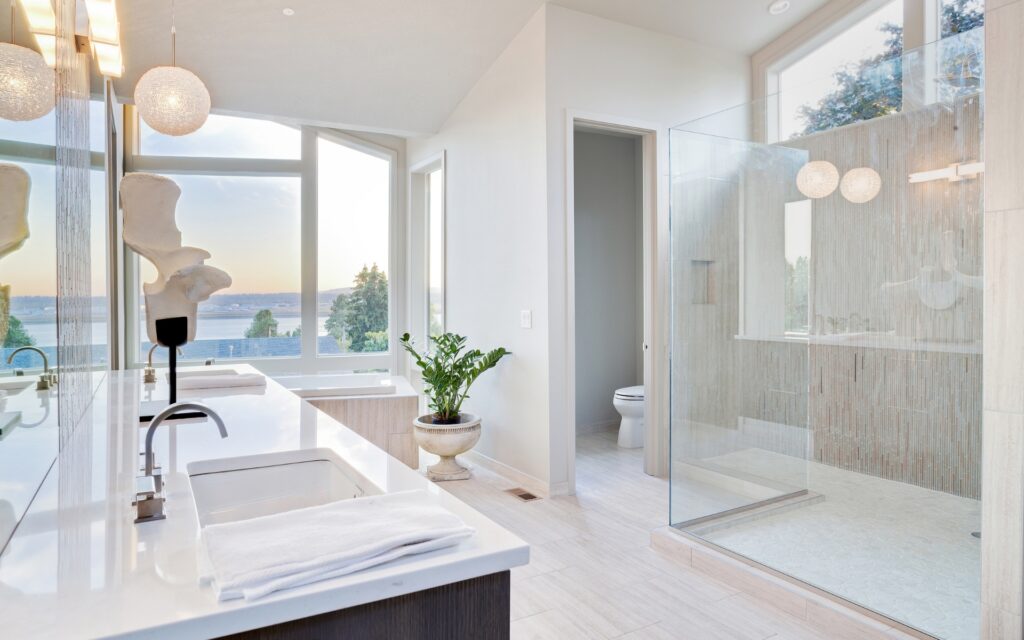
Luxury bathroom vanities pair beautifully with marble when you’re going for traditional, transitional, or glam aesthetics. The stone complements brass fixtures, ornate mirrors, and decorative lighting. It plays well with both light and dark cabinetry, though the classic combination of white marble with dark wood never goes out of style.
Soapstone leans into farmhouse, industrial, and modern design schemes. Its matte surface contrasts nicely with polished chrome or brushed nickel fixtures. Pair it with white shiplap or sleek contemporary cabinetry, and you’ve got a cohesive look that feels intentional.
Resale Value Implications
Real estate agents will tell you that natural stone generally adds more perceived value than synthetic alternatives. HGTV notes that buyers respond positively to quality materials in bathrooms, viewing them as indicators of overall home care.
Both stones signal investment in quality, though marble might edge ahead slightly in traditional markets where buyers equate it with luxury. In areas where eco-conscious or low-maintenance living appeals to buyers, soapstone’s durability story resonates strongly.
Long-Term Aging and Patina
Here’s where personal preference really matters. Marble will show its age through etching and subtle wear patterns. Some people love this because they see it as character development. Others want their bathroom countertops to look pristine indefinitely and find the aging process frustrating.
Soapstone embraces change. The darkening process happens naturally as oils from your hands and mineral treatments penetrate the surface. You can accelerate this by applying mineral oil more frequently, or let it happen organically over the years. Either way, the stone develops a distinctive appearance that’s uniquely yours.
Environmental Considerations
Both materials are natural, quarried stones with similar environmental footprints. Transportation often creates the biggest carbon impact, so sourcing from closer quarries reduces environmental cost. MSI and other suppliers offer stones from various locations, giving you options to minimize shipping distances.
Soapstone’s longevity means you won’t replace it during your lifetime. It’s possibly the most eco-friendly aspect of any building material. Marble also lasts generations when properly maintained, though its higher maintenance needs mean more cleaning products over time.
Making Your Final Choice on Marble vs. Soapstone for Bathroom Tops
Your lifestyle dictates the right choice more than any design magazine ever could. Got kids who spill everything? Soapstone forgives. Want to feel like you’re getting ready in a five-star hotel every morning? Marble delivers that experience.
Think about how you actually use your bathroom. Do you have 30 minutes for a leisurely morning routine, or are you rushing to get everyone out the door? Are you meticulous about wiping down surfaces, or do you prefer materials that handle neglect gracefully?
Visit CabinetLand‘s showroom to see both materials in person. Touch them, compare them under different lighting, and imagine them in your actual space. Not ready to visit yet? No problem. Request a free quote online, and at least you’ll know what you’re working with.