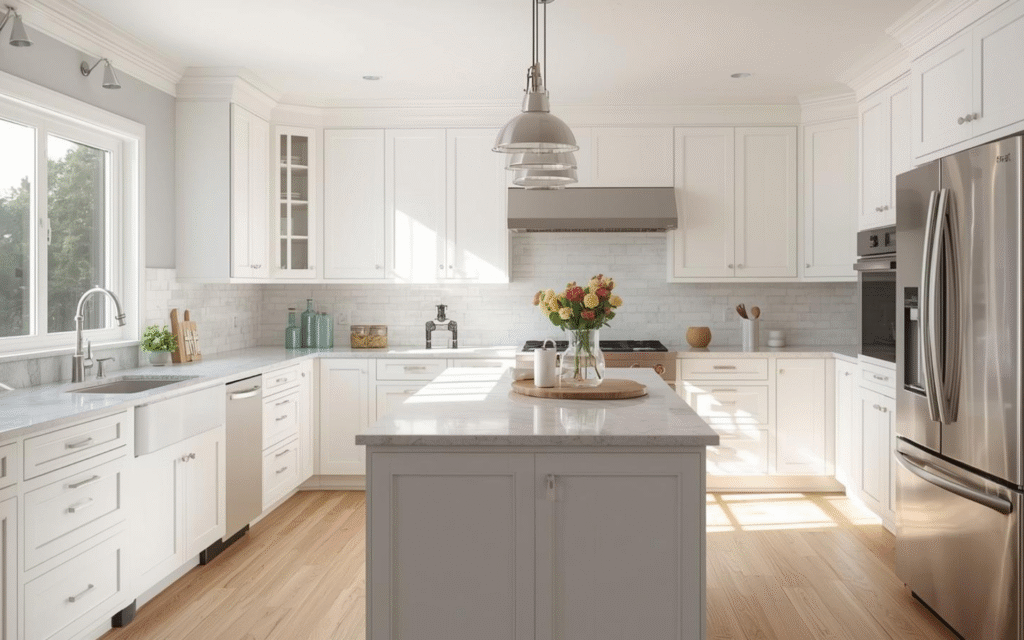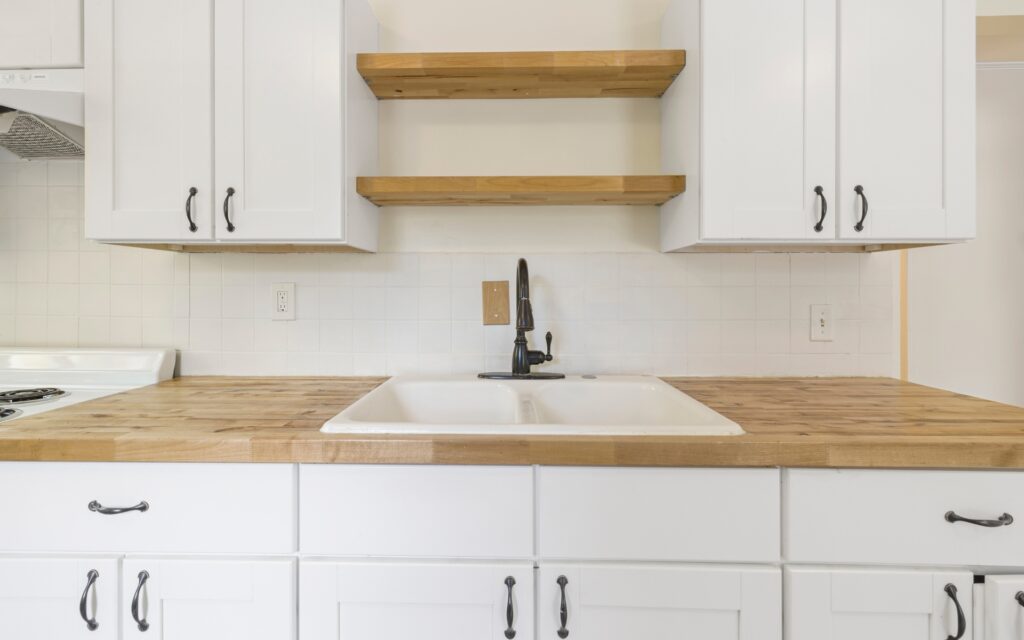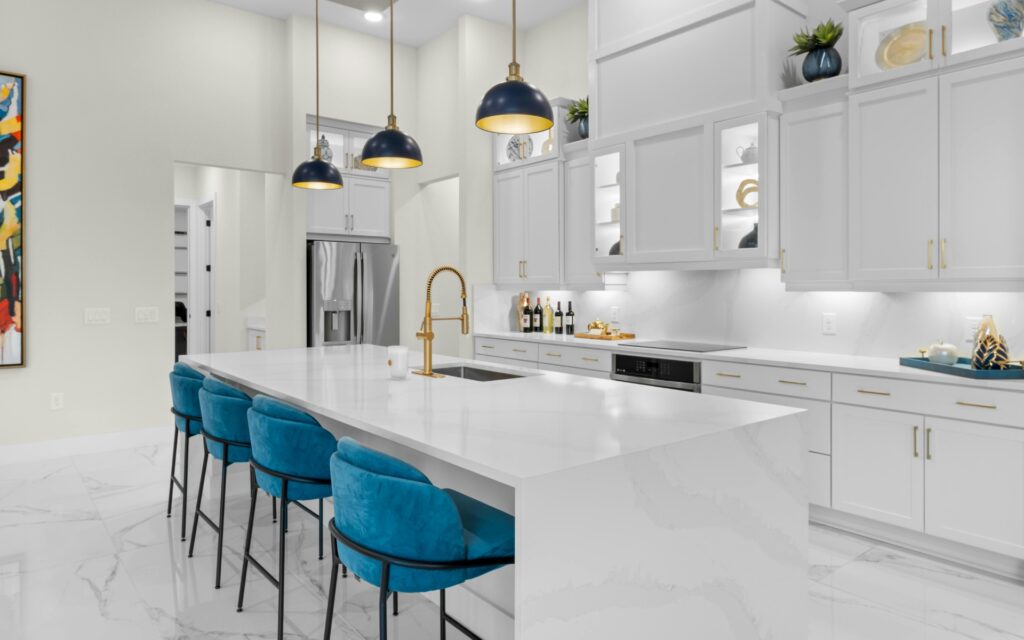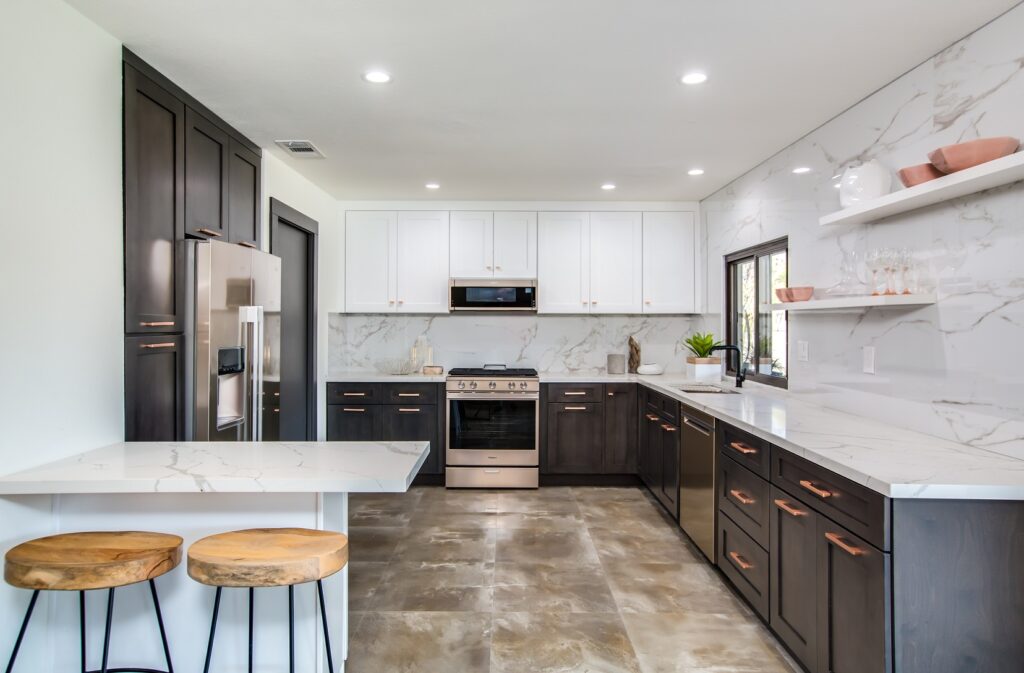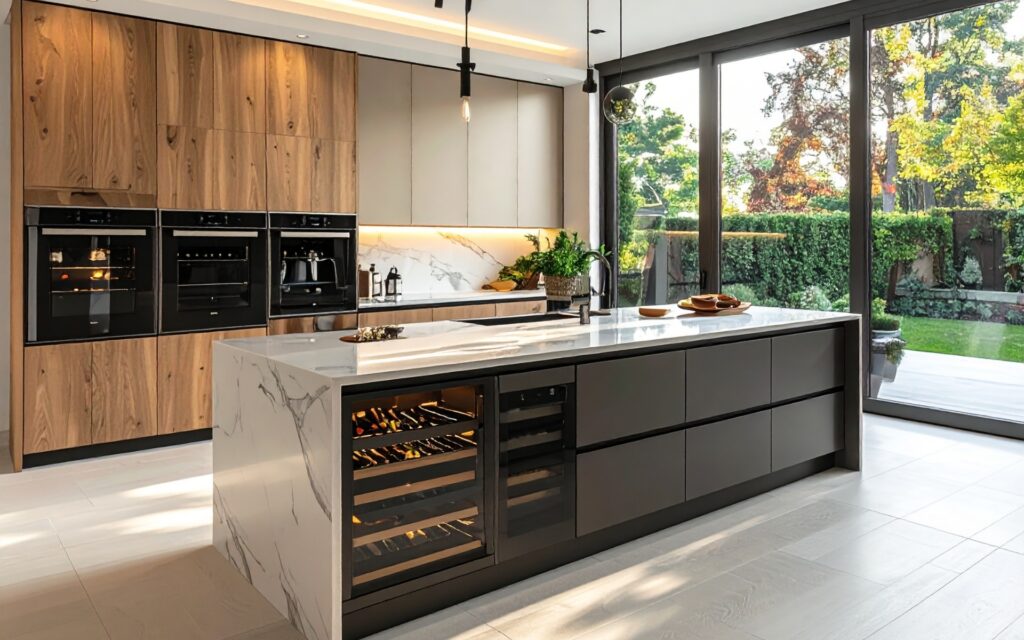


You probably open and close your cabinets dozens of times each day without giving them a second thought. Grab a coffee mug, reach for plates, toss snacks back on the shelf. But the moment a door won’t close properly or a drawer starts sticking, suddenly those kitchen cabinet parts become impossible to ignore.
Whether you’re planning a full kitchen remodeling project, upgrading tired cabinets, or just trying to fix that one annoying drawer, understanding these components helps you make smarter choices that actually last. Let’s break down the parts that matter most and why they deserve your attention.
Essential Kitchen Cabinet Parts Every Homeowner Should Know
Kitchen Cabinet Box Components
The box forms the foundation of every cabinet. This structure holds everything together and determines overall durability and longevity.
- Cabinet Sides (Gables): These vertical panels form the left and right walls of your cabinet box. Quality cabinets use thick plywood or solid wood for strength. Cheaper options rely on particleboard that can sag or fail over time, especially in moisture-prone areas near sinks and dishwashers.
- Top and Bottom Panels: Horizontal pieces that cap the cabinet box above and below. The bottom panel (often called the deck) supports the weight of everything you store inside. Look for solid construction here since weak bottoms lead to sagging shelves.
- Back Panel: The rear wall of the cabinet, typically thinner than sides since it doesn’t bear weight. Better cabinets use plywood backs that add structural rigidity. Budget cabinets often use thin hardboard or even cardboard-like material that offers minimal support.
- Toe Kick: That recessed space at the bottom of base cabinets where your toes fit when you stand at the counter. This simple detail makes working at your counters far more comfortable by letting you stand closer without bumping the cabinet face.
Door and Drawer Front Components
What you see and touch daily matters just as much as what’s hidden inside the box.
- Cabinet Doors: The hinged panels covering your cabinet openings. Doors come in countless styles from flat slabs to ornate raised panels. Material choices include solid wood, wood veneer over MDF, thermofoil, and laminate. Your door style defines your kitchen’s entire aesthetic.
- Drawer Fronts: Similar to doors but designed specifically for drawers. They can match door styles for consistency or create visual interest through contrast. False drawer fronts (decorative panels that don’t actually open) often hide sinks or appliances while maintaining a uniform appearance.
- Cabinet Hardware: Your cabinet knobs, handles and pulls serve both functional and decorative purposes. Beyond helping you open doors and drawers, hardware acts like jewelry for your cabinets. Swapping hardware offers one of the easiest ways to refresh your kitchen’s look without major renovation.
Hinge Systems
Hinges determine how smoothly and quietly your doors operate. This seemingly minor detail impacts your daily experience more than you’d think.
- Concealed Hinges (Euro Hinges): Modern cabinets almost universally use these hidden hinges that mount inside the cabinet box. They adjust in multiple directions for perfect door alignment and create clean lines without visible hardware. According to Houzz, concealed hinges have become the standard in kitchen and bath cabinetry because they offer superior adjustability and aesthetics.
- Soft-Close Hinges: A game-changing upgrade that prevents doors from slamming. Built-in dampeners catch doors and guide them gently closed. Once you experience soft-close, regular hinges feel primitive. They protect your cabinets from damage and create a quieter, more luxurious kitchen environment.
- Overlay vs. Inset Hinges: Overlay doors sit in front of the cabinet frame, while inset doors fit flush inside the opening. Each style requires specific hinge types. Inset cabinets look incredibly refined but cost more and demand precise installation.
Drawer Slides and Glides
How your drawers move makes or breaks the user experience. Quality slides justify their cost through years of smooth, reliable operation.
- Side-Mount Slides: Traditional drawer slides that attach to the sides of the drawer box and cabinet interior. They’re visible when you open drawers but cost less than other options. Good side-mount slides work fine, but they don’t offer the full extension or load capacity of undermount versions.
- Undermount Slides: Premium slides that mount underneath the drawer box, staying completely hidden. They allow full extension so you can access everything in the drawer easily. Most undermount slides include soft-close mechanisms and handle significantly more weight than side-mount options.
- Full-Extension vs. Three-Quarter Extension: Full-extension slides let drawers open completely, giving you access to the entire interior. Three-quarter extension slides stop short, leaving the back portion unreachable. Always choose full extension for maximum functionality, especially in deep cabinets.
Shelf Components
Adjustable shelving adds incredible flexibility to your kitchen cabinet project. Being able to reconfigure storage as your needs change extends the useful life of your cabinets.
- Shelf Pins: Small metal or plastic pegs that fit into holes drilled in cabinet sides. Shelves rest on these pins, and moving them to different holes adjusts the shelf height. Simple but effective.
- Shelf Standards and Clips: Metal tracks mounted inside cabinet sides with adjustable clips that hold shelves. These offer more stability than pins and make height adjustments easier.
- Fixed Shelves: Permanently attached shelves that don’t adjust. They add structural strength to the cabinet box but limit storage flexibility. Some cabinet designs strategically place fixed shelves for reinforcement while keeping other areas adjustable.
Interior Organizers and Accessories
These optional components transform basic boxes into highly functional storage systems tailored to your specific needs.
- Pull-Out Trays: Sliding shelves that bring items from the back of deep cabinets within easy reach. Particularly valuable in base cabinets where bending and reaching become tiresome.
- Lazy Susans: Rotating shelves for corner cabinets that make awkward spaces accessible. Without these, the corner cabinet space becomes a black hole where things go to be forgotten.
- Drawer Dividers: Inserts that organize utensils, spices, or other small items. Custom dividers maximize every inch of drawer space while keeping everything visible and accessible.
- Trash and Recycling Pull-Outs: Concealed bins that slide out for easy access. These keep waste containers hidden while making them convenient to use.
Understanding Cabinet Construction Quality
Not all kitchen cabinet parts are created equal. Construction methods dramatically impact durability and longevity.
- Dovetail Joints: Interlocking joints where drawer sides meet fronts and backs. Hand-cut dovetails represent the pinnacle of quality, though machined versions work well too. These joints resist pulling apart even under heavy use.
- Mortise and Tenon Joints: Traditional woodworking joints used in face frames and door construction. A mortise (hole) receives a tenon (protruding piece), creating incredibly strong connections.
- Cam Lock Connectors: Metal fasteners used in ready-to-assemble cabinets. They work adequately for budget projects but don’t match the strength of traditional joinery methods.
According to HGTV, examining how drawer boxes connect reveals a lot about overall cabinet quality. Drawers joined with dovetails or dowels will outlast those simply stapled or glued together by years or even decades.
Replacing and Upgrading Cabinet Parts
You don’t always need entirely new cabinets to dramatically improve function and appearance. Strategic upgrades can refresh tired kitchens cost-effectively.
Swapping basic hinges for soft-close versions takes minimal time and money but transforms how your kitchen feels. Replacing worn drawer slides with modern undermount options makes drawers glide effortlessly again. Updating cabinet hardware changes your kitchen’s entire look for a fraction of what new cabinets cost.
Even if your cabinet boxes remain solid, replacing doors and drawer fronts creates an essentially new kitchen. This approach, called cabinet refacing, costs significantly less than full replacement while delivering dramatic results.
Working With Professionals
A knowledgeable cabinet contractor or cabinet maker helps you navigate quality differences that aren’t obvious to untrained eyes. They know which brands offer the best kitchen cabinet design and which components hold up over time versus failing prematurely.
Visit a cabinet showroom to see and feel quality differences firsthand. Open drawers. Close doors. Feel how hinges operate, and slides glide. That tactile experience teaches you more than any amount of online research.
Ask questions about specific components. What thickness of plywood do they use? Which hinge brand? What warranty covers hardware failures? Good professionals answer confidently because they stand behind their products.
Get Expert Guidance for Your Kitchen Cabinets
Selecting the right kitchen cabinet parts creates a kitchen that functions beautifully for years while matching your design vision perfectly. You deserve cabinets built with quality components that stand up to daily use.
At CabinetLand, we help homeowners understand exactly what goes into quality cabinetry and which options best fit their needs and budgets. Our team brings extensive experience in kitchen remodeling, guiding you through every decision from cabinet construction to hardware selection. We’ll show you the difference between basic and premium components so you can invest wisely.